





ask us anything
Temporary swelling and bruising may occur following the procedure.
Mild pain, tingling, or sensitivity at the surgical site is normal during recovery.
Apply a thin layer of prescribed ointment 1–2 times daily to the incision site to prevent dryness, continuing until day 10 post-surgery. Use a clean cotton swab and avoid excessive application.
Use cold compresses for the first 3–4 days, then switch to warm compresses starting on day 7.
Wear a compression garment or bandage continuously for at least 2 weeks to support healing.
For the first 2–3 days, it is normal for tissue fluid or small amounts of blood to drain from the incision. Gently wipe with clean gauze or tissue—do not squeeze the site intentionally.
If an incision was made, sutures should be removed within 7–10 days. Bathing is generally permitted after 48 hours.
If showering before suture removal, cover the incision with waterproof tape and avoid direct water exposure. If water does contact the site, gently absorb moisture with clean gauze and dry using cool air.
Strictly avoid alcohol and smoking during the recovery period, as these can interfere with healing.
Light daily activity may resume gradually, but avoid strenuous exercise (aerobics, fitness training, swimming, sauna) until one month post-surgery.
Some mild, temporary side effects may occur. Most resolve naturally, but here are common precautions and recommendations:
POSSIBLE SIDE EFFECTS
Insomnia (2–3%) – May last 1–2 days. Avoid coffee and caffeinated drinks.
Mild gum inflammation (1–3%) – Periodontitis/gingivitis can appear for 1–2 weeks. Gargle often.
Skin rash or itching (1–2%) – Usually mild. Apply lotion to soothe the skin.
Chills, muscle aches, or body pain (1%) – Take Tylenol (500–650 mg) or ibuprofen if needed.
Leg swelling, fatigue, or weakness (2–3%) – Typically lasts 3–4 days. Rest is recommended.
Phlebitis (0.5%) – Redness, swelling, or pain may occur at the IV site. See “How to Treat Phlebitis” below.
RECOMMENDED HEALTH SUPPLEMENTS
Omega-3 (EPA+DHA ≥ 1,000 mg): 1–2 times daily
Vitamin D (≥ 4,000 IU): once daily
Coenzyme Q10 (100 mg): once daily
Magnesium (250 mg): once daily
Phlebitis treatment focuses on reducing inflammation and pain. Mild cases can be managed at home, but severe symptoms require medical care.
Cold & hot compresses
Early stage: Apply cold compress (10–15 min, 3–4 times/day) to reduce pain and swelling.
After 2–3 days: Switch to warm compresses (15 min) to improve circulation and healing.
Elevate the inflamed area
Keep the arm or hand elevated above heart level using a pillow to reduce swelling.
Rest & activity restriction
Rest the affected area and avoid excessive movement or pressure. Gentle movement only.
Medication if needed
NSAIDs (e.g., ibuprofen, naproxen) may help reduce pain and inflammation.
Always consult a doctor or pharmacist before taking medication.
Yes. All treatments at IMC Stem Cell Clinic are doctor-led and conducted in certified facilities approved by the Korean Ministry of Health and Welfare (KFDA). Patient safety is always our highest priority, and each program is closely supervised by medical professionals.
Eligibility depends on your health status and medical history. After a thorough medical assessment, our doctors will determine if stem cell therapy is suitable for you and create a personalized plan.
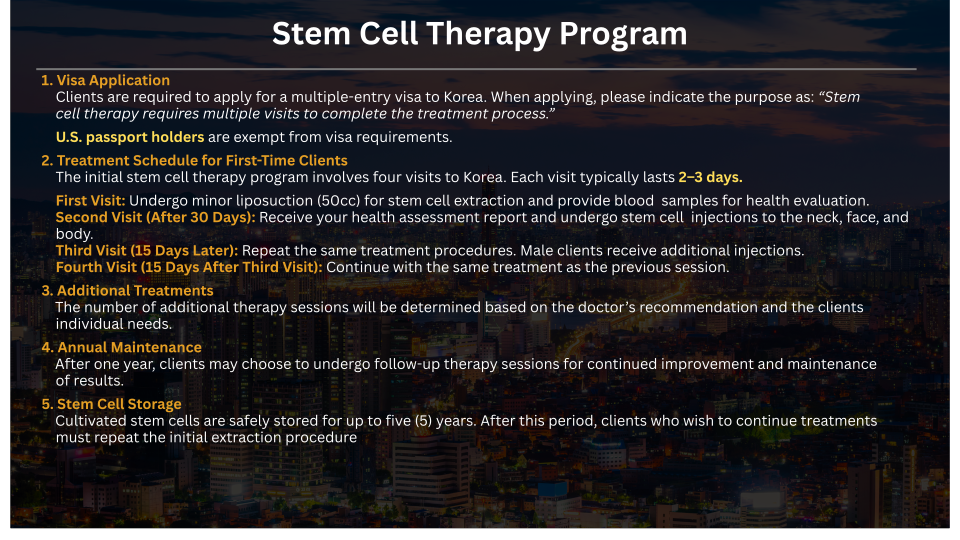
The number of sessions varies by condition and individual needs. Most programs involve a series of IV infusions (for example, 6–12 sessions) followed by monitoring and follow-up care. Your doctor will discuss the exact treatment plan during your consultation.
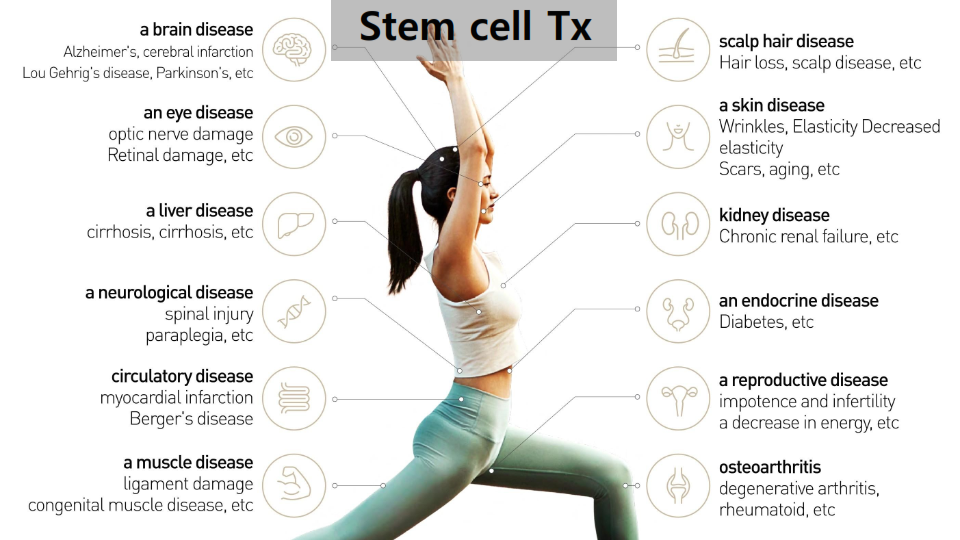
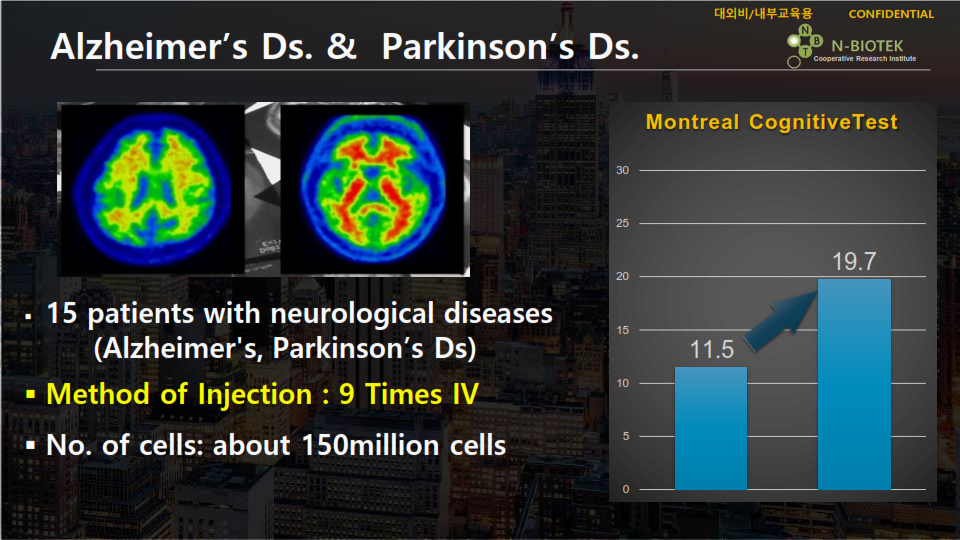
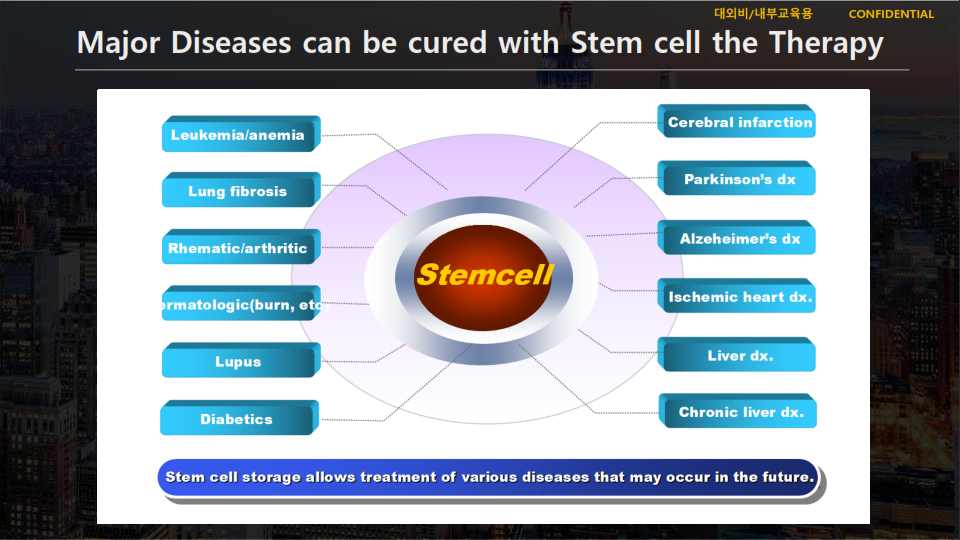
Stem cell therapy is commonly used for anti-aging, immunity support, chronic diseases (such as diabetes, heart, liver, and kidney conditions), neurological issues (Alzheimer’s, Parkinson’s), autoimmune disorders, and men’s health. Suitability will be confirmed during your assessment.
Results vary by individual and condition. Some patients notice improvements within weeks, while others may see gradual changes over several months as their body responds to therapy.
Results may last long-term but are not guaranteed to be permanent. Some conditions may require follow-up sessions or maintenance treatments to achieve the best outcome.
ask us anything
Temporary swelling and bruising may occur following the procedure.
Mild pain, tingling, or sensitivity at the surgical site is normal during recovery.
Apply a thin layer of prescribed ointment 1–2 times daily to the incision site to prevent dryness, continuing until day 10 post-surgery. Use a clean cotton swab and avoid excessive application.
Use cold compresses for the first 3–4 days, then switch to warm compresses starting on day 7.
Wear a compression garment or bandage continuously for at least 2 weeks to support healing.
For the first 2–3 days, it is normal for tissue fluid or small amounts of blood to drain from the incision. Gently wipe with clean gauze or tissue—do not squeeze the site intentionally.
If an incision was made, sutures should be removed within 7–10 days. Bathing is generally permitted after 48 hours.
If showering before suture removal, cover the incision with waterproof tape and avoid direct water exposure. If water does contact the site, gently absorb moisture with clean gauze and dry using cool air.
Strictly avoid alcohol and smoking during the recovery period, as these can interfere with healing.
Light daily activity may resume gradually, but avoid strenuous exercise (aerobics, fitness training, swimming, sauna) until one month post-surgery.
Some mild, temporary side effects may occur. Most resolve naturally, but here are common precautions and recommendations:
POSSIBLE SIDE EFFECTS
Insomnia (2–3%) – May last 1–2 days. Avoid coffee and caffeinated drinks.
Mild gum inflammation (1–3%) – Periodontitis/gingivitis can appear for 1–2 weeks. Gargle often.
Skin rash or itching (1–2%) – Usually mild. Apply lotion to soothe the skin.
Chills, muscle aches, or body pain (1%) – Take Tylenol (500–650 mg) or ibuprofen if needed.
Leg swelling, fatigue, or weakness (2–3%) – Typically lasts 3–4 days. Rest is recommended.
Phlebitis (0.5%) – Redness, swelling, or pain may occur at the IV site. See “How to Treat Phlebitis” below.
Recommended Health Supplements
Omega-3 (EPA+DHA ≥ 1,000 mg): 1–2 times daily
Vitamin D (≥ 4,000 IU): once daily
Coenzyme Q10 (100 mg): once daily
Magnesium (250 mg): once daily
Phlebitis treatment focuses on reducing inflammation and pain. Mild cases can be managed at home, but severe symptoms require medical care.
Cold & hot compresses
Early stage: Apply cold compress (10–15 min, 3–4 times/day) to reduce pain and swelling.
After 2–3 days: Switch to warm compresses (15 min) to improve circulation and healing.
Elevate the inflamed area
Keep the arm or hand elevated above heart level using a pillow to reduce swellings
Rest & activity restriction
Rest the affected area and avoid excessive movement or pressure. Gentle movement only.
Medication if needed
NSAIDs (e.g., ibuprofen, naproxen) may help reduce pain and inflammation.
Always consult a doctor or pharmacist before taking medication.
Yes. All treatments at IMC Stem Cell Clinic are doctor-led and conducted in certified facilities approved by the Korean Ministry of Health and Welfare (KFDA). Patient safety is always our highest priority, and each program is closely supervised by medical professionals.
Eligibility depends on your health status and medical history. After a thorough medical assessment, our doctors will determine if stem cell therapy is suitable for you and create a personalized plan.
The number of sessions varies by condition and individual needs. Most programs involve a series of IV infusions (for example, 6–12 sessions) followed by monitoring and follow-up care. Your doctor will discuss the exact treatment plan during your consultation.
Stem cell therapy is commonly used for anti-aging, immunity support, chronic diseases (such as diabetes, heart, liver, and kidney conditions), neurological issues (Alzheimer’s, Parkinson’s), autoimmune disorders, and men’s health. Suitability will be confirmed during your assessment.
Results vary by individual and condition. Some patients notice improvements within weeks, while others may see gradual changes over several months as their body responds to therapy.
Results may last long-term but are not guaranteed to be permanent. Some conditions may require follow-up sessions or maintenance treatments to achieve the best outcome.
ask us anything
Temporary swelling and bruising may occur following the procedure.
Mild pain, tingling, or sensitivity at the surgical site is normal during recovery.
Apply a thin layer of prescribed ointment 1–2 times daily to the incision site to prevent dryness, continuing until day 10 post-surgery. Use a clean cotton swab and avoid excessive application.
Use cold compresses for the first 3–4 days, then switch to warm compresses starting on day 7.
Wear a compression garment or bandage continuously for at least 2 weeks to support healing.
For the first 2–3 days, it is normal for tissue fluid or small amounts of blood to drain from the incision. Gently wipe with clean gauze or tissue—do not squeeze the site intentionally.
If an incision was made, sutures should be removed within 7–10 days. Bathing is generally permitted after 48 hours.
If showering before suture removal, cover the incision with waterproof tape and avoid direct water exposure. If water does contact the site, gently absorb moisture with clean gauze and dry using cool air.
Strictly avoid alcohol and smoking during the recovery period, as these can interfere with healing.
Light daily activity may resume gradually, but avoid strenuous exercise (aerobics, fitness training, swimming, sauna) until one month post-surgery.
Some mild, temporary side effects may occur. Most resolve naturally, but here are common precautions and recommendations:
POSSIBLE SIDE EFFECTS
Insomnia (2–3%) – May last 1–2 days. Avoid coffee and caffeinated drinks.
Mild gum inflammation (1–3%) – Periodontitis/gingivitis can appear for 1–2 weeks. Gargle often.
Skin rash or itching (1–2%) – Usually mild. Apply lotion to soothe the skin.
Chills, muscle aches, or body pain (1%) – Take Tylenol (500–650 mg) or ibuprofen if needed.
Leg swelling, fatigue, or weakness (2–3%) – Typically lasts 3–4 days. Rest is recommended.
Phlebitis (0.5%) – Redness, swelling, or pain may occur at the IV site. See “How to Treat Phlebitis” below.
RECOMMENDED HEALTH SUPPLEMENTS
Omega-3 (EPA+DHA ≥ 1,000 mg): 1–2 times daily
Vitamin D (≥ 4,000 IU): once daily
Coenzyme Q10 (100 mg): once daily
Magnesium (250 mg): once daily
Phlebitis treatment focuses on reducing inflammation and pain. Mild cases can be managed at home, but severe symptoms require medical care.
Cold & hot compresses
Early stage: Apply cold compress (10–15 min, 3–4 times/day) to reduce pain and swelling.
After 2–3 days: Switch to warm compresses (15 min) to improve circulation and healing.
Elevate the inflamed area
Keep the arm or hand elevated above heart level using a pillow to reduce swelling.
Rest & activity restriction
Rest the affected area and avoid excessive movement or pressure. Gentle movement only.
Medication if needed
NSAIDs (e.g., ibuprofen, naproxen) may help reduce pain and inflammation.
Always consult a doctor or pharmacist before taking medication.
Yes. All treatments at IMC Stem Cell Clinic are doctor-led and conducted in certified facilities approved by the Korean Ministry of Health and Welfare (KFDA). Patient safety is always our highest priority, and each program is closely supervised by medical professionals.
Eligibility depends on your health status and medical history. After a thorough medical assessment, our doctors will determine if stem cell therapy is suitable for you and create a personalized plan.
The number of sessions varies by condition and individual needs. Most programs involve a series of IV infusions (for example, 6–12 sessions) followed by monitoring and follow-up care. Your doctor will discuss the exact treatment plan during your consultation.
Stem cell therapy is commonly used for anti-aging, immunity support, chronic diseases (such as diabetes, heart, liver, and kidney conditions), neurological issues (Alzheimer’s, Parkinson’s), autoimmune disorders, and men’s health. Suitability will be confirmed during your assessment.
Results vary by individual and condition. Some patients notice improvements within weeks, while others may see gradual changes over several months as their body responds to therapy.
Results may last long-term but are not guaranteed to be permanent. Some conditions may require follow-up sessions or maintenance treatments to achieve the best outcome.